Accelerating Aerospace Software Hiring During Certification Deadlines
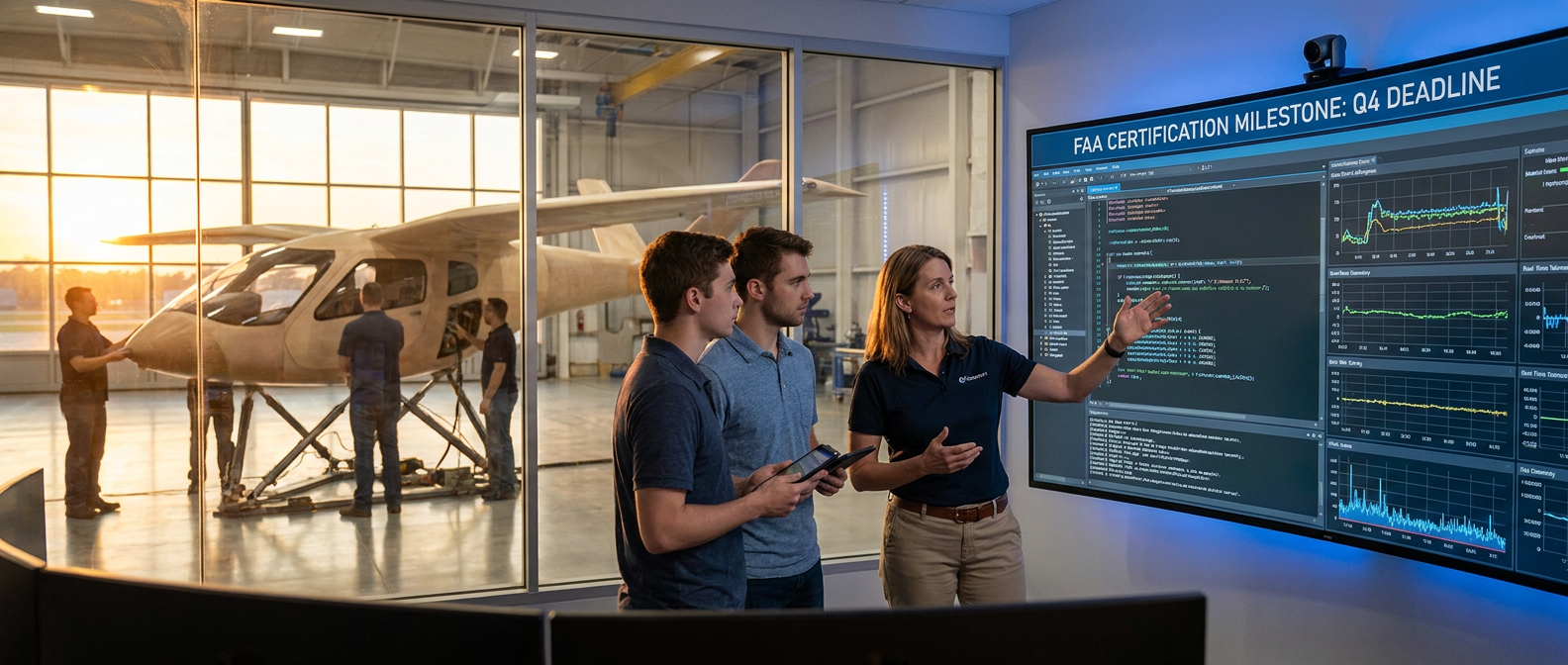
The High-Stakes Reality of Aerospace Software Hiring Under Certification Pressure
Aerospace companies: They're under immense pressure right now. They need to ramp up software hiring, especially with critical certification deadlines always looming. The problem is, this often forces compromises – we see dips in candidate quality, longer time-to-hire. Industry data indicates that while top candidates often receive offers within two weeks, traditional hiring processes for specialized aerospace software engineers can take 90 days or more, with the average time-to-hire ranging from 14 to 22 days (Source: Protingent). This, predictably, leads to project delays. That hits market entry and competitive advantage hard. Frankly, addressing this requires a far more strategic, proactive approach to securing the specialized software engineers essential for developing aerospace software.
The Unique Pressures of Aerospace Certification
Aerospace certification standards are some of the toughest globally. They set the benchmark for both safety and reliability. Think FAA or EASA: these aren't just suggestions; they’re strict regulatory hurdles. Products, particularly safety-critical systems, simply can't enter the market until they clear them. This whole process of demonstrating regulatory compliance is inherently complex, meaning project timelines are directly tied to meeting these incredibly exacting requirements. Any holdup in certification: That can translate into substantial financial losses and missed market opportunities. So, the speed and precision of hiring highly specialized talent become an absolutely critical business imperative.
What Certification Pressure Means for Software Engineering Teams
This pressure from certification really puts immense demands on software development lifecycle (SDLC) teams. It's not simply about writing code. It’s about building software for safety-critical systems that have to operate flawlessly, often in incredibly complex environments. That kind of work demands an exceptionally high degree of precision, extensive documentation, and rigorous testing at every single stage. For the engineers themselves, this means grappling with increased code complexity, specialized tools, and a deep understanding of industry-specific standards, like DO-178C for airborne software. And the need for seamless system integration and exhaustive Quality Assurance (QA) processes? That often requires a blend of niche technical skills and a thorough grasp of aerospace regulations. The reality is, that makes the talent pool for these roles pretty narrow and incredibly competitive.
Key Takeaways for Aerospace Companies
Aerospace companies grappling with certification deadlines can accelerate software hiring by adopting a proactive, strategic approach. This means using specialized recruitment partners, optimizing internal hiring processes, and clearly communicating their employer value proposition to attract essential engineering talent. It's all about aligning with industry talent strategy and aerospace industry best practices.
Proactive Planning is Paramount
Effective workforce planning isn't just a nicety; it’s an absolute necessity in the aerospace sector. Companies must anticipate their hiring needs well in advance of critical project deadlines, especially when dealing with specialized roles like embedded software engineers. This involves rigorous skill forecasting to pinpoint future talent requirements and building a robust recruitment pipeline that can be activated quickly. Waiting until a crisis hits, like a sudden software bug derailing a launch, inevitably leads to compromises in candidate quality or project delays.
The Power of Partnerships
For highly specialized roles, the value of strategic recruitment partnerships cannot be overstated. Engaging with external experts who possess deep market intelligence and established networks in the aerospace domain can significantly enhance talent sourcing efforts. These partners truly understand the nuances of the industry. They can identify and engage passive candidates: those highly skilled professionals not actively job hunting but open to the right opportunity. Their recruiters truly understood the nuances of the industry. They knew the specific technical requirements for embedded software engineers and, critically, the importance of certifications like DO-178C. This market intelligence allowed them to efficiently identify and engage precisely the candidates with the niche skill sets required, significantly expanding the reach beyond internal teams.
Candidate Experience as a Differentiator
In today's competitive landscape, a positive candidate experience can be a powerful differentiator. Streamlined application processes, clear communication, and respectful treatment throughout the candidate journey don't just improve the offer acceptance rate. They also bolster an organization's employer brand. A company known for its efficient and respectful hiring process is far more likely to attract top talent, reinforcing its reputation as a desirable employer in the aerospace industry. It's an investment that pays off.
References
FAQ
- Why is accelerating software hiring crucial for aerospace companies with certification deadlines?
- Accelerating software hiring is crucial because delays in acquiring specialized engineers can directly impact the complex, time-sensitive process of obtaining critical certifications like those from the FAA or EASA. Project timelines and market entry depend on having the right talent in place to develop and test safety-critical systems efficiently.
- What are the key challenges in hiring software engineers for safety-critical aerospace systems?
- Hiring software engineers for safety-critical aerospace systems is challenging due to the need for highly specialized technical skills, a deep understanding of industry-specific standards (like DO-178C), rigorous testing experience, and familiarity with aerospace regulations. The talent pool for these niche roles is consequently narrow and highly competitive.
- How can proactive planning benefit aerospace software hiring?
- Proactive planning is paramount in aerospace hiring. It involves anticipating future talent needs well in advance of critical project or certification deadlines. This foresight allows companies to conduct rigorous skill forecasting and build a robust recruitment pipeline, ensuring they can activate hiring quickly without compromising candidate quality.
- What role do strategic recruitment partnerships play in accelerating aerospace hiring?
- Strategic recruitment partners offer deep market intelligence and established networks within the aerospace domain, significantly enhancing talent sourcing. They excel at identifying and engaging passive candidates with niche technical skills and an understanding of industry certifications, expanding reach beyond internal teams.
- How does candidate experience impact aerospace software hiring?
- A positive candidate experience acts as a powerful differentiator in attracting top aerospace software talent. Streamlined application processes, clear communication, and respectful treatment throughout the hiring journey not only improve offer acceptance rates but also bolster the company's employer brand as a desirable place to work.