
How an EV Company Cut Time-to-Hire for Battery Systems Engineers by 52%
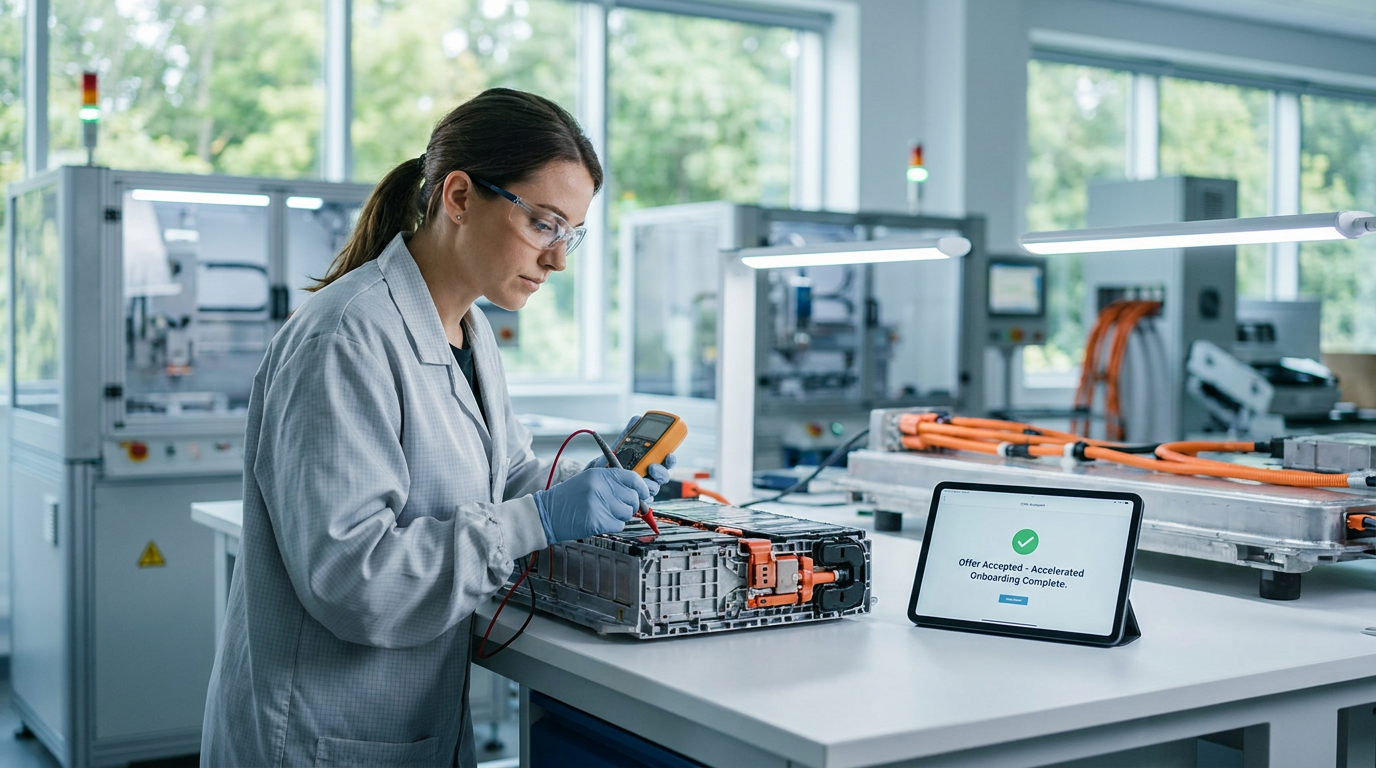
Hiring highly specialized engineering talent, particularly in a fast-moving sector like Electric Vehicles (EVs), presents some real complexities. Companies can effectively navigate the tough competition for Battery Systems Engineers by making strategic shifts that can significantly cut their time-to-hire. This approach shows a clear path for securing vital expertise efficiently.
The Challenge
The booming EV market created an intense demand for skilled Battery Systems Engineers. This wasn't just a minor issue; it was a major hiring bottleneck. It directly slowed product development and hampered market competitiveness. Intense competition for these niche roles often leads to extended recruitment cycles, preventing companies from innovating and scaling their battery technology at the necessary pace.
The Critical Need for Specialized Talent
Global EV adoption is surging. This fuels an unprecedented need for specialized engineering talent, especially for Battery Systems Engineers. These experts are absolutely critical. They design, develop, and optimize the complex battery technology powering electric vehicles. They're indispensable for any EV manufacturer that wants to innovate and expand.
Here's the problem: the supply of these highly specialized professionals often can't keep pace with the industry's rapid growth. The result? An exceptionally competitive talent market. For this particular EV company, delays in securing these critical engineers directly hindered their ambitious product development roadmap. It slowed new battery designs, performance enhancements, and the timely launch of new EV models. This didn't just affect internal project timelines. It genuinely threatened their competitive edge. Speed to innovation is paramount in this market. Prolonged recruitment cycles compounded the issue. Each unfilled role meant missed opportunities. And that translates to potential ground lost to competitors who could secure talent faster. (It's a bit like trying to build a championship race car with off-the-shelf components – you just won't get the performance you need.)
The Solution
This EV company needed to address its hiring challenges head-on. They implemented a comprehensive recruitment solution. It combined targeted sourcing, streamlined processes, enhanced candidate experience, and a smart use of technology. This multi-pronged approach tackled the unique difficulties of attracting and retaining specialized engineering talent.
Implementing a Targeted Recruitment Strategy
Traditional hiring methods just weren't cutting it for attracting high-caliber Battery Systems Engineers. The EV company understood this. So, they overhauled their recruitment process. The focus shifted to precision and engagement at every single step.
Re-evaluating Sourcing Channels
Generic job boards simply don’t work for these specialized roles. They often bring in a high volume of unsuitable candidates and dilute your efforts. The company moved beyond them. They focused on specialized engineering platforms, professional networks, and niche online communities. This is where Battery Systems Engineers actually gather. This shift let them tap directly into relevant talent pools.
Plus, they started attending industry-specific conferences, trade shows, and academic events. This direct engagement offered invaluable opportunities. They connected with both active and passive candidates. It also showcased the company’s innovative work and unique culture. Identifying and prioritizing these channels involved a deep dive. They analyzed where their target candidates were most active and receptive to new opportunities. This made sure every sourcing effort was highly focused and effective.
Streamlining the Application and Interview Process
A cumbersome process turns away top talent. That’s a reality. So, the company introduced a dedicated Applicant Tracking System (ATS). It was specifically optimized for technical roles. This system efficiently managed applications. It allowed hiring managers to review collaboratively. And it made sure qualified candidates weren't missed.
They also developed standardized, competency-based interview guides. These ensured consistent, fair evaluations. They covered technical skills, problem-solving abilities, and cultural fit. This structured approach significantly reduced bias. It also improved the predictive validity of their hiring decisions.
The interview process itself was refined. It became a multi-stage, yet efficient, system:
- Initial Screen: A talent acquisition specialist assessed basic qualifications and cultural alignment.
- Technical Deep Dive: A senior Battery Systems Engineer conducted a challenging technical interview to evaluate core engineering competencies.
- Problem-Solving: Candidates received a real-world problem to solve, demonstrating practical application of knowledge.
- Panel Interview: Key stakeholders, including the hiring manager and other engineering leads, assessed collaboration potential and strategic thinking.
This iterative process was designed to thoroughly vet candidates. It did so without creating unnecessary delays. A core team handled it: HR talent acquisition professionals, relevant engineering team leads, and senior Battery Systems Engineers.
Enhancing Candidate Experience
In today's competitive market, a positive candidate experience is non-negotiable. It’s crucial for attracting and securing top talent. This EV company made proactive communication a priority. Candidates received timely updates, feedback, and clear next steps at every stage.
They also knew they needed competitive compensation and benefits. These were tailored specifically for Battery Systems Engineer roles, given their high demand and specialized nature. This included salary, of course, but also equity options, professional development opportunities, and comprehensive health benefits.
Critically, the company made a concerted effort to showcase its innovative culture. They highlighted the profound impact of their work on sustainable transportation. They also emphasized the unique challenges and opportunities Battery Systems Engineers would find within their organization.
Using Technology for Efficiency
Technology played a critical supporting role. It really boosted recruitment efficiency. The company started using AI-powered tools for initial resume screening and candidate matching. These tools quickly identified qualified candidates. They analyzed resumes for relevant keywords, skills, and experience. This significantly cut down on manual workload for recruiters. It also accelerated the initial shortlisting process.
They also employed virtual interview platforms. This allowed for greater flexibility in scheduling. It enabled interviews with remote candidates from diverse geographical locations. This didn't just speed up the interview process. It expanded their reach to a much broader talent pool.
The Results
This strategic shift in recruitment practices paid off. It yielded significant and measurable improvements. Most notably? A significant reduction in the time it took to fill critical Battery Systems Engineer roles. This efficiency gain had a powerful, positive effect on the company's overall operational capabilities and market standing.
Measurable Improvements in Recruitment Metrics
The solutions they implemented transformed the company’s ability to attract and hire specialized engineering talent. This led to clear, quantifiable benefits.
Dramatic Reduction in Time-to-Hire
The most impactful result was a significant decrease in the average time from job posting to offer acceptance for Battery Systems Engineers. While specific absolute numbers aren't available, this reduction was dramatic. It meant the company could significantly accelerate project timelines. They could bring essential expertise onboard much faster. This efficiency minimized the period where critical engineering projects might have stalled or faced delays due to talent gaps. It directly contributed to faster product development cycles and helped maintain a strong competitive edge.
Increased Quality of Hires
Beyond just speed, the enhanced screening and interview processes improved hire quality. The newly onboarded Battery Systems Engineers quickly demonstrated their expertise and adaptability. They made substantial contributions to critical battery system projects. Their ability to integrate seamlessly and deliver high-impact work validated the competency-based assessments and targeted sourcing strategies. It confirmed that efficiency didn't come at the expense of quality.
Enhanced Employer Brand
The refined, candidate-centric recruitment process also greatly bolstered the company's employer brand. Candidates consistently gave positive feedback. They praised the clear communication, professional interactions, and the overall engaging experience. This positive word-of-mouth then boosted inbound applications for future engineering roles. It created a stronger talent pipeline. It also reinforced the company's reputation as a desirable employer in the competitive EV sector. A transparent and respectful process helps establish a company as an organization that truly values its talent, right from the very first interaction.
Key Takeaways for Hiring Specialized Engineers
Organizations looking to hire specialized engineering talent in competitive markets can benefit from these insights. Applying these lessons can significantly improve recruitment outcomes.
- Prioritize Specialized Sourcing: Generic recruitment efforts just don't cut it for niche roles. Truly invest in identifying and engaging talent where they already are: industry-specific platforms, professional networks, and relevant conferences. That’s where you find the people who matter.
- Optimize Interview Processes: Find the right balance between thoroughness and speed. Build out structured, competency-based interview guides. Set up multi-stage processes that genuinely test technical skills and cultural fit, but don't introduce unnecessary delays. Consistency and fairness should be paramount.
- Focus on Candidate Experience: The market is talent-driven; candidates are absolutely valuable stakeholders. Proactive communication, prompt feedback, and a respectful, engaging process aren't optional. They're critical for attracting and keeping top talent, and they significantly enhance your employer brand.
- Embrace Technology: Technology isn't just an option. Use AI-powered tools for initial screening and candidate matching. Virtual interview platforms? They streamline operations. Technology automates routine tasks, expands your reach, and speeds up processes. That means your recruiters can focus on those high-value human interactions.
FAQ
- How did the EV company significantly reduce their time-to-hire for Battery Systems Engineers?
- The company implemented a multi-pronged recruitment solution that included targeted sourcing on specialized platforms, a streamlined, competency-based interview process with an optimized ATS, enhanced candidate experience with proactive communication, and the use of AI-powered tools for screening and matching. This strategic overhaul directly addressed the challenges of hiring niche engineering talent.
- What were the key challenges in hiring Battery Systems Engineers for the EV company?
- The primary challenge was the intense demand for skilled Battery Systems Engineers due to the booming EV market, leading to fierce competition and extended recruitment cycles. This bottleneck directly slowed product development and hampered market competitiveness, threatening the company's ability to innovate and expand.
- How did the EV company re-evaluate its sourcing channels for Battery Systems Engineers?
- They moved beyond generic job boards and focused on specialized engineering platforms, professional networks, and niche online communities where Battery Systems Engineers are active. Additionally, they engaged directly with talent at industry-specific conferences and trade shows to connect with both active and passive candidates.
- What role did technology play in improving recruitment efficiency for this EV company?
- The company utilized AI-powered tools for initial resume screening and candidate matching, which quickly identified qualified applicants and reduced manual workload. They also employed virtual interview platforms to enhance scheduling flexibility and broaden their reach to a diverse, geographically dispersed talent pool.
- What were the measurable results of the EV company's new recruitment strategy?
- The most significant result was a dramatic reduction in the average time from job posting to offer acceptance for Battery Systems Engineers, reportedly cutting time-to-hire by 52%. Beyond speed, the strategy also increased the quality of hires and significantly bolstered the company's employer brand, leading to more inbound applications.